
← The Chronicle · History Behind the Story
Why Did the Jacobite Rising of 1715 Fail?
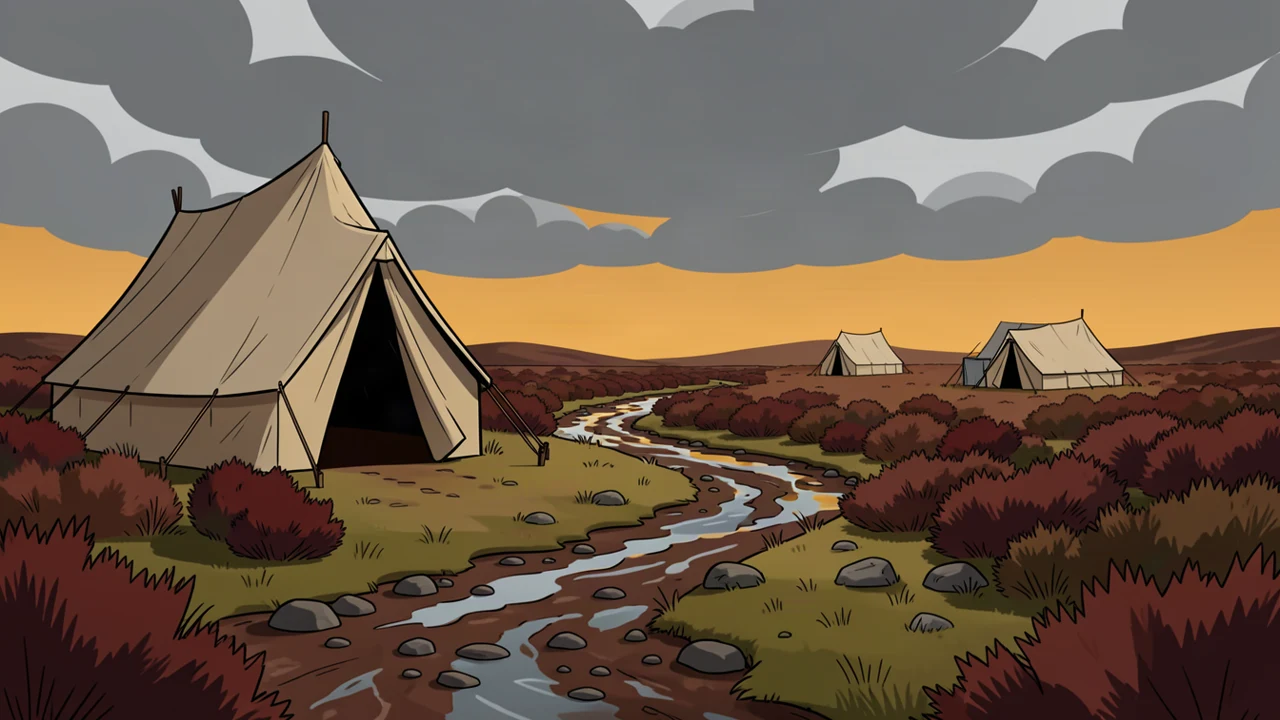
In 1715, Jacobite supporters challenged George I and hoped to restore the Stuarts.[1][3] This was not simply Scotland fighting England. People in Scotland supported different sides, and the government army included Scottish regiments.[1][3]
The road south stayed blocked
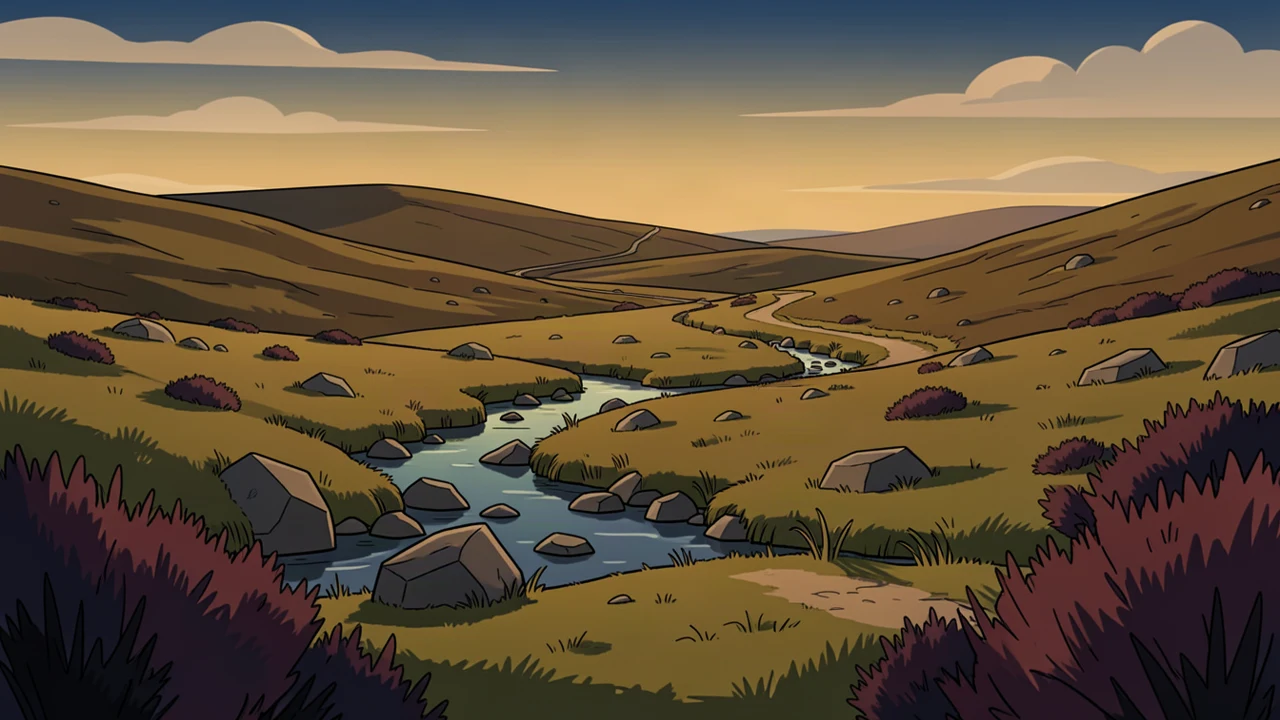
The Earl of Mar gathered an army, while the Duke of Argyll stood in his way near Stirling. They fought at Sheriffmuir on November 13.[2][3]
View full illustration (opens in a new tab)
The battle was confused and inconclusive. Both armies had setbacks. Mar turned back to Perth instead of breaking through to the south, giving the government time to recover.[1][2][3] An inconclusive battle could still leave the rising short of what it needed.
A second setback in England
Another rebel force had reached Preston. Government troops attacked, and the rebels surrendered on November 14.[2] That ended the English part of the campaign.
Sheriffmuir and Preston were different events: one stalled an advance; the other ended in surrender. Together they weakened the wider attempt to replace the king.[2][3]
View full illustration (opens in a new tab)
The claimant came late
James Stuart arrived in Scotland in December, after the November fighting. His arrival did not reverse the losses. He and Mar left for France early in February 1716.[1][2]
Try placing those events on a timeline. Did James arrive before the armies needed a breakthrough, or after they had lost momentum? That sequence explains the outcome without guessing that an earlier arrival would certainly have changed it.
Keep this rising separate from the later Jacobite rising of 1745. Compare Simnel’s earlier challenge to a king to ask how support becomes—or fails to become—a successful campaign.
Sources
Related stories
History Behind the Story
Why Did Lambert Simnel’s Rebellion Fail at Stoke in 1487?
A serious overseas coalition was not enough: follow the recruitment problem, Henry VII’s response and defeat at Stoke in June 1487.
Read the story →
History Behind the Story
Why Did the Rebellion of 1088 Fail? Pevensey, Rochester and William II
Follow the sieges of Pevensey and Rochester to see how William II defeated the 1088 rebellion despite opposition from powerful Norman relatives.
Read the story →