
← The Chronicle · History Behind the Story
Why Did the Rebellion of 1088 Fail? Pevensey, Rochester and William II
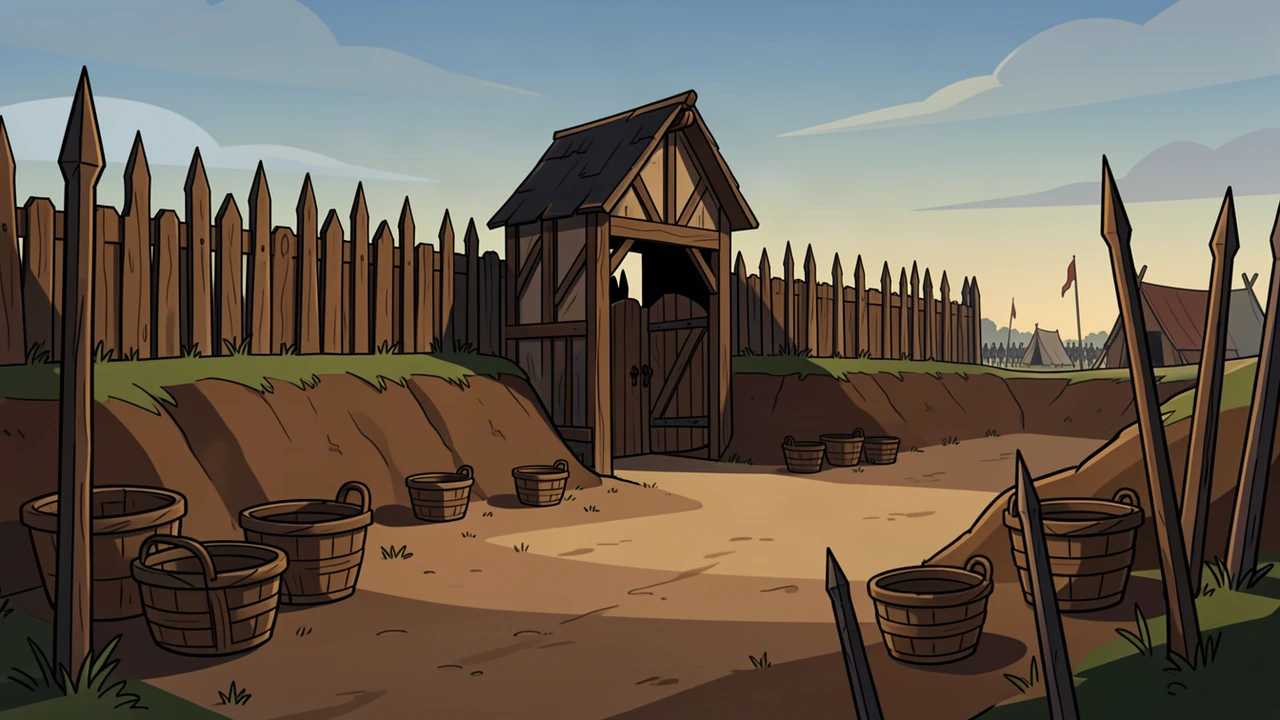
After William the Conqueror died, his son Robert Curthose became Duke of Normandy and another son, William II, became king of England. In 1088, powerful rebels wanted Robert to hold England too.[2]
Some lords held land on both sides of the Channel. The chronicler Orderic explains their worries about serving two rival rulers.[4] His account gives a reason for the rebellion without letting us hear every rebel’s private thoughts.
Pevensey needed more than walls
View full illustration (opens in a new tab)
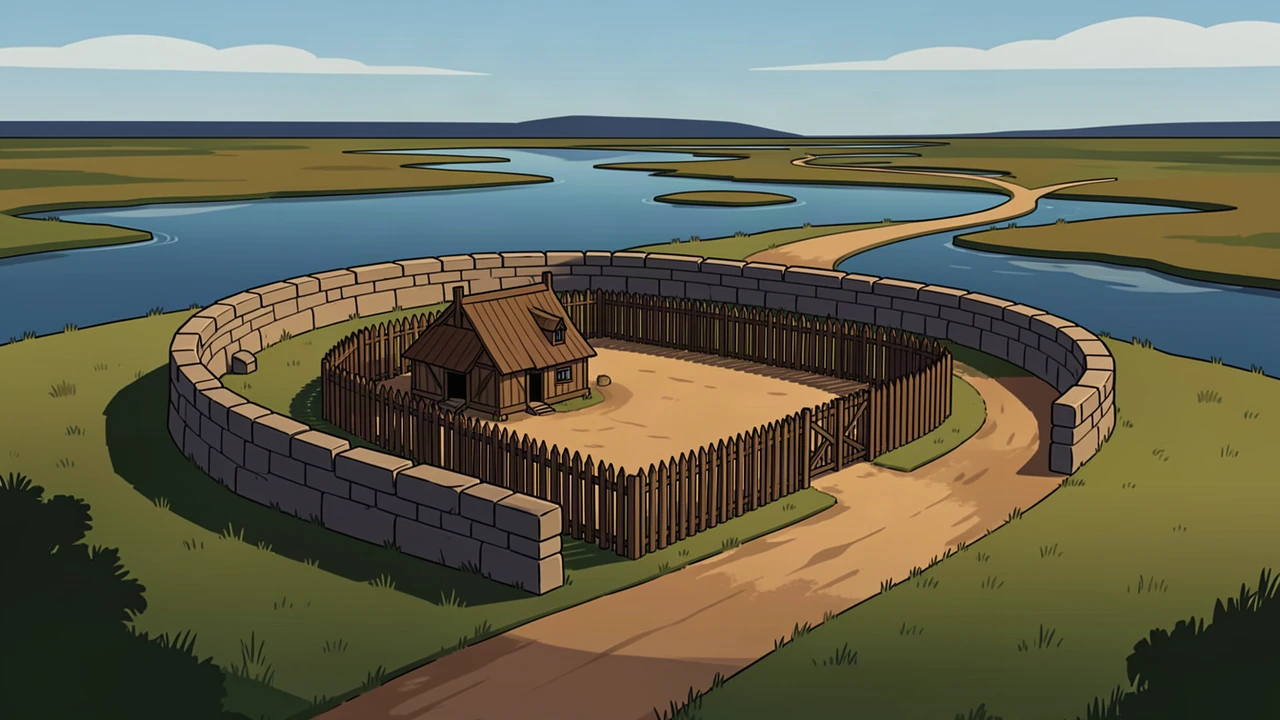
Odo of Bayeux and Robert of Mortain held Pevensey against the king. This Robert was a count, not the duke the rebels wanted as king.[2]
William besieged the castle by land and sea. After six weeks, food was running short and the defenders lacked the reinforcements they needed. They agreed to submit.[1][2] Strong walls could buy time; they could not produce food or outside help.
Rochester held out too
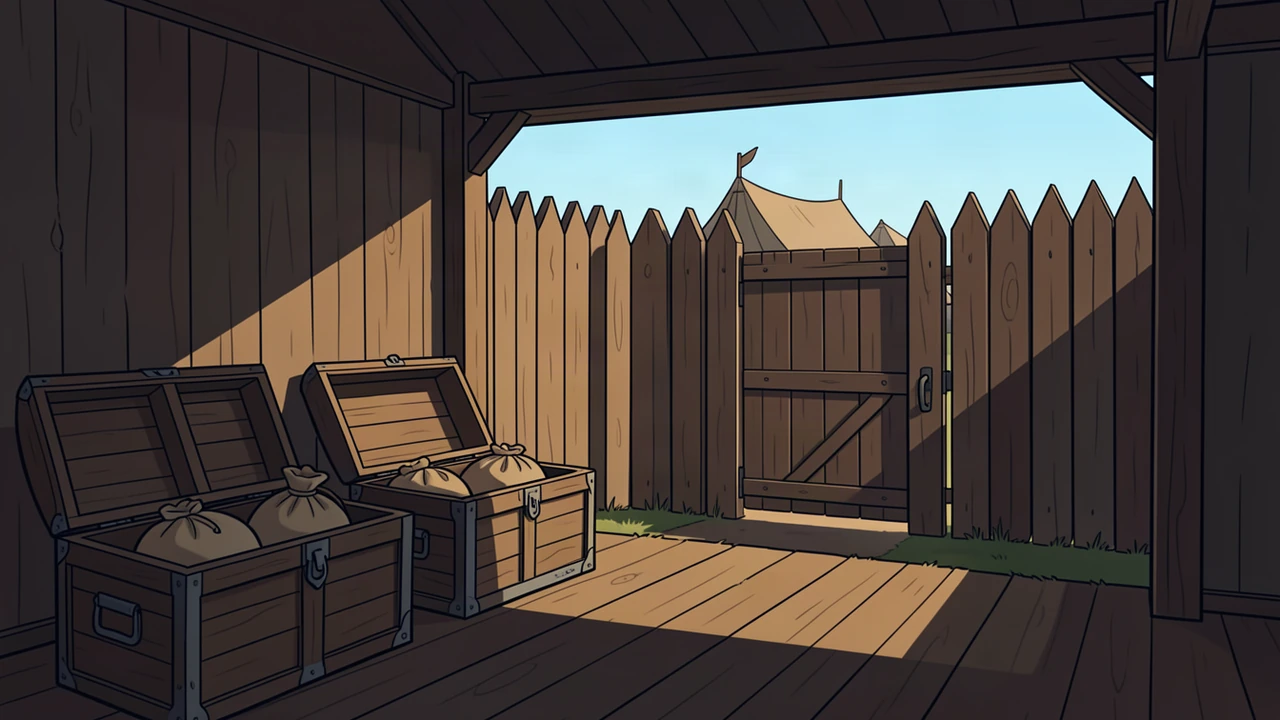
Odo’s surrender did not end the whole rebellion. Rochester resisted, and William gathered more supporters for another siege. The defenders eventually surrendered there as well.[1][3]
View full illustration (opens in a new tab)
The famous stone keep at Rochester came later. It was not the great tower the rebels defended in 1088.[3] Looking at today’s castle without checking its dates can put the wrong building into the story.
What decided the struggle?
William could recruit support and maintain pressure. The rebels’ expected help from Normandy did not overturn the situation.[1][2][4] Their castles fell before they could replace him.
Try tracing supplies as well as walls on a sketch map. Where could food and help arrive? What happens if those routes are closed? Keep that learning sketch separate from an archaeological plan.
Explore a later failed rebellion in Lambert Simnel’s campaign.
Sources
Related stories

History Behind the Story
Why Did Lambert Simnel’s Rebellion Fail at Stoke in 1487?
A serious overseas coalition was not enough: follow the recruitment problem, Henry VII’s response and defeat at Stoke in June 1487.
Read the story →