← The Chronicle · History Behind the Story
Why Was James Both VI and I? Two Kingdoms, One King
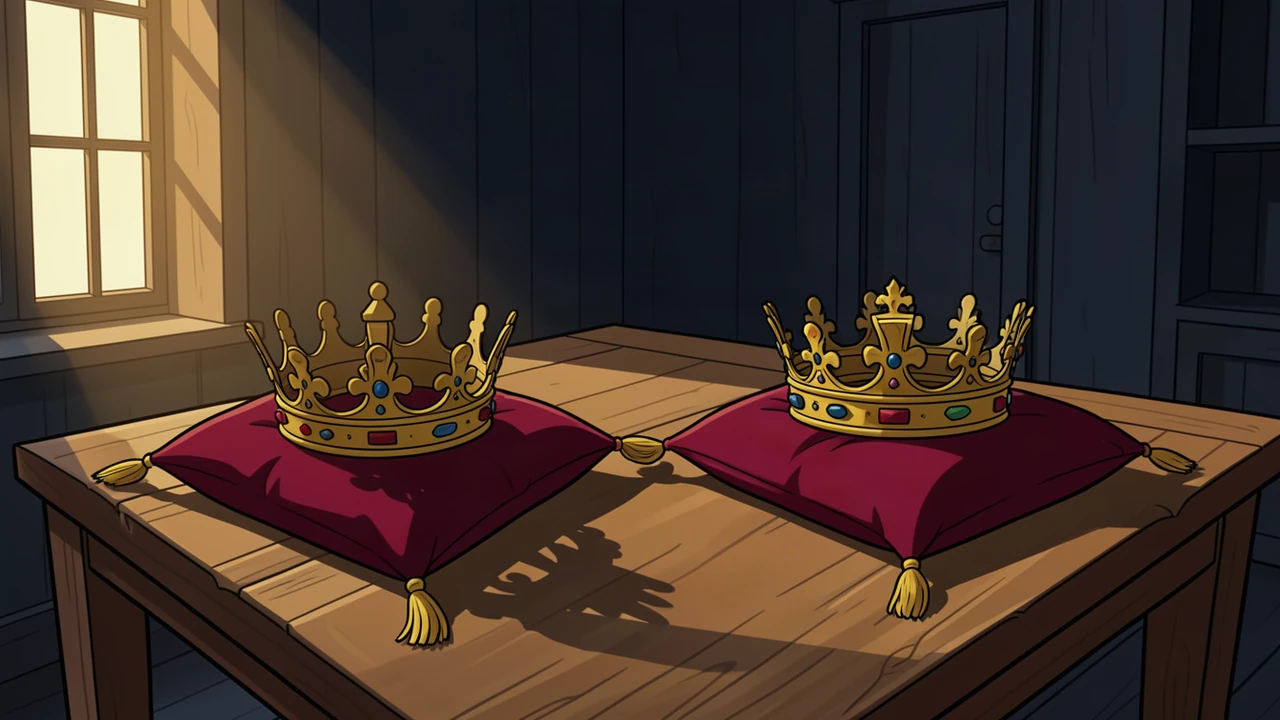
VI means six and I means one. James was the sixth king called James in Scotland and the first in England.[1] The numbers are labels in two royal histories, rather than two different people.
A king before he went to England
James became King of Scots in 1567, while still a baby, after his mother Mary was forced to give up the throne. Adults governed in his name until he was older.[1][2]
View full illustration (opens in a new tab)
When Elizabeth I died in 1603, James inherited the English crown. He kept the Scottish crown too. This sharing of a monarch is called the Union of the Crowns.[2][3] He also held the crown of Ireland.[1]
One ruler, separate institutions
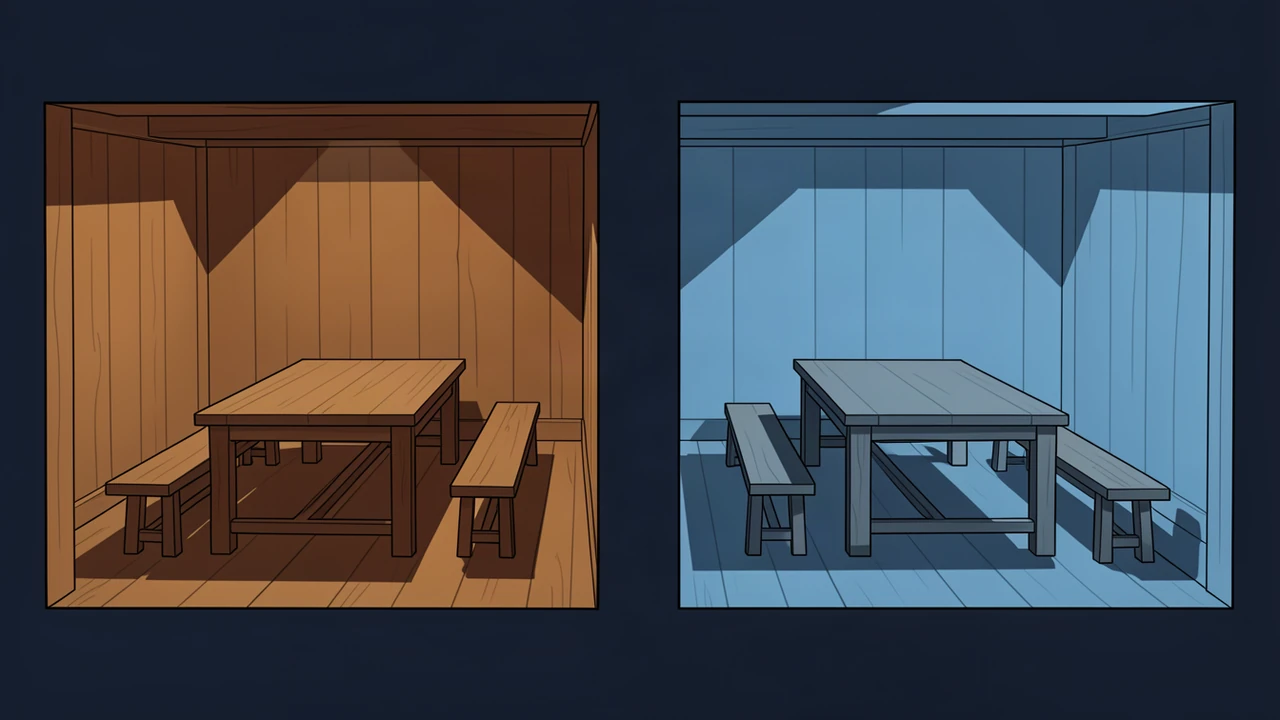
England and Scotland still had separate parliaments. Scotland also kept its own legal, church and educational systems.[2] A shared king did not make the two governments identical.
James wanted a fuller union. He adopted the title King of Great Britain in 1604, but that title did not create the single state he hoped for. Proposals met resistance.[3]
View full illustration (opens in a new tab)
Two dates worth keeping apart
In 1603, the crowns came under one monarch. In 1707, England and Scotland were united into the kingdom of Great Britain, with one Parliament of Great Britain.[3][4] Those were different changes more than a century apart.
Try explaining the name aloud: “James the Sixth of Scotland and the First of England.” Then explain what changed in 1603 and what did not. Our crown pictures are symbols, not pictures of the actual jewels.
Meet James in a different historical setting through the Gunpowder Plot story.
Sources
Related stories
History Behind the Story
The Gunpowder Plot of 1605: What Really Happened?
Catesby organized the plot. Fawkes was found with the powder. Follow the warning, the search and the evidence that leaves some questions open.
Read the story →