
← The Chronicle · For Curious Families
How to Record a Family Oral History with Children
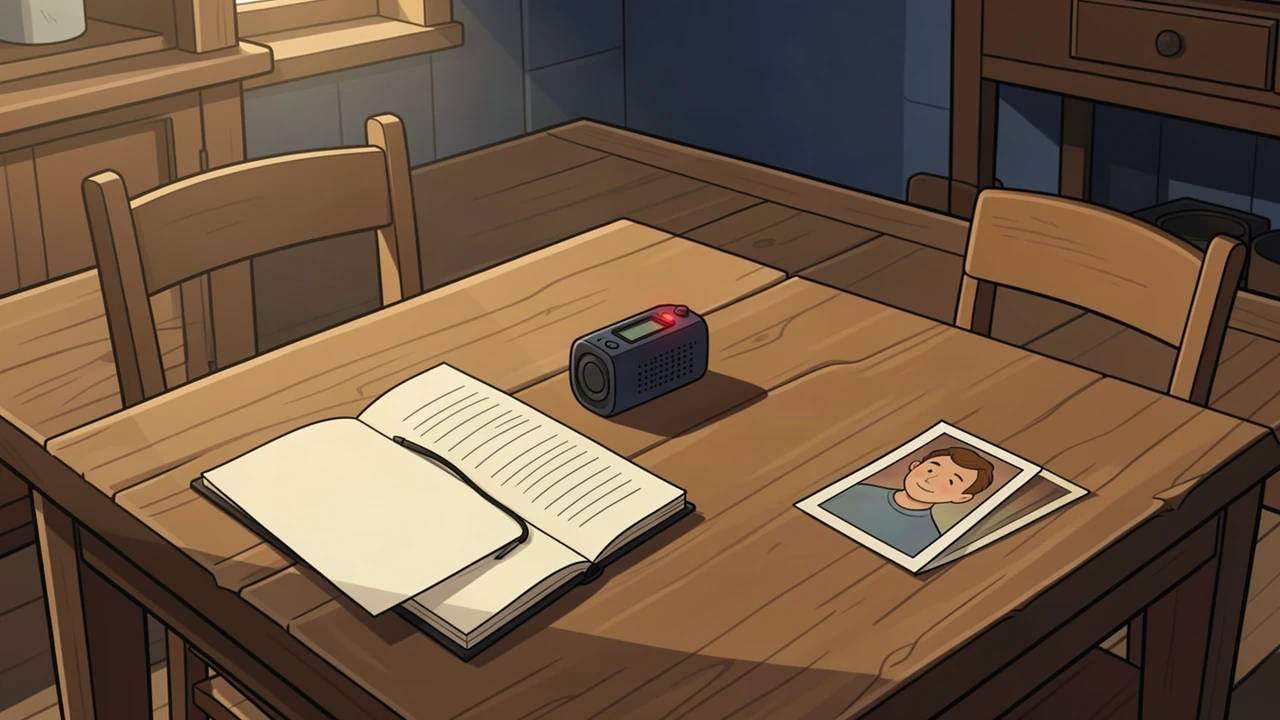
Choose one person who wants to take part and one small subject: a childhood game, a first job or a treasured object.[1][2] A grown-up can help a child prepare questions and manage the recording.
Ask before switching on
Explain what you hope to make. Ask whether recording is welcome and who may hear it. Permission to keep a family recording is not permission to post it publicly.[1][3] The speaker can skip a question, pause or stop.
View full illustration (opens in a new tab)
Keep private addresses and contact details out of anything intended for sharing. If a school or archive will receive the recording, follow its own permission process.[3]
Let the story unfold
Try an open question such as “What games did you play when you were young?” Ask one question at a time and leave room to think.[1][2] Follow an interesting answer rather than racing through a list.
Test the sound in a quiet place. Record the date, topic and agreed names. Let the speaker do most of the talking. A child can note an unfamiliar word to ask about later.[1]
View full illustration (opens in a new tab)
A memory can raise questions
Ask whether the person remembers an event directly or heard about it from someone else. Both can be worth keeping, but they are different kinds of account.[1][4] If a date is uncertain, keep that uncertainty rather than filling it in yourself.
Later, photographs or letters may help check a detail. Keep those research notes separately so they do not silently replace the speaker’s words.[3]
Keep it safe and findable
Play the recording back, make a separate copy and give it a clear name. Keep a note of the agreed sharing limits.[1][3] Check again before sharing beyond that audience.
One carefully heard story is a useful first project. Try comparing old maps for another way to explore the past.
Sources
Related stories
For Curious Families
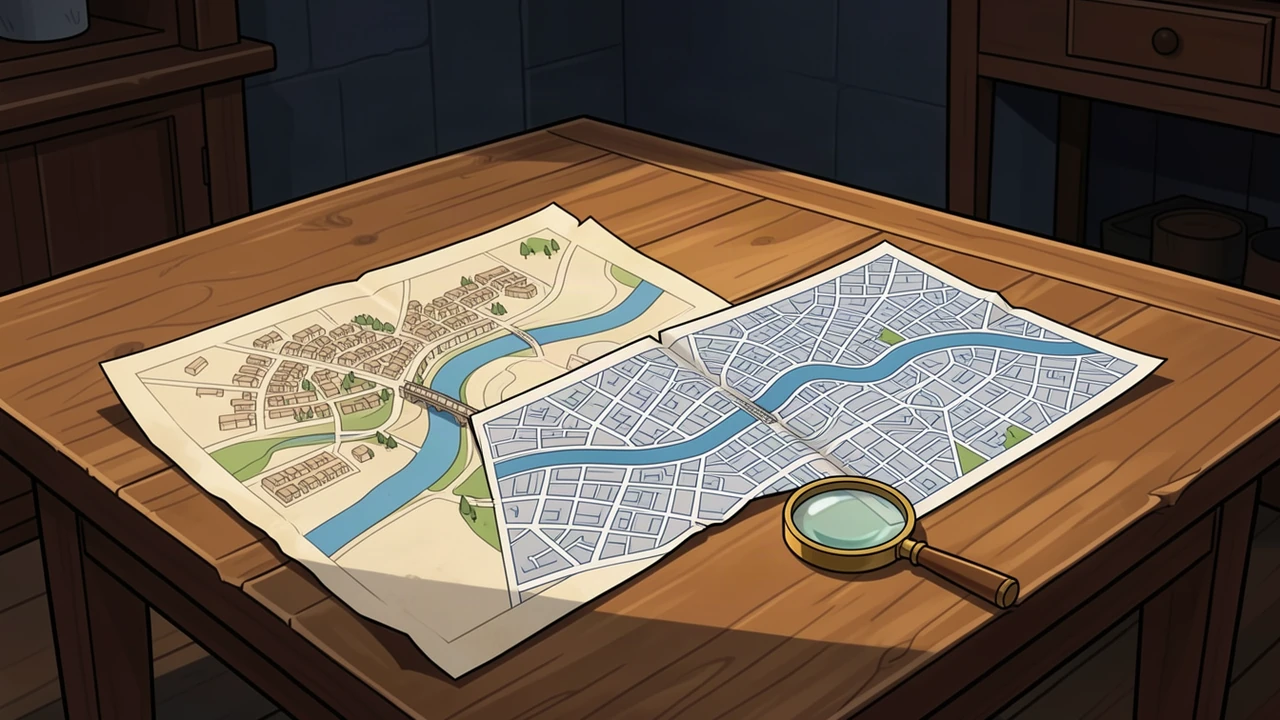
How to Compare Old and Modern Maps with Children
Two maps, three observations and one unanswered question: investigate what changed without mistaking missing details for proof.
Read the story →