
← The Chronicle · History Behind the Story
The Pazzi Conspiracy: What the Evidence Can Show
For grown-ups: this story includes murder and violent retaliation, described without graphic detail.

On April 26, 1478, conspirators attacked Lorenzo and Giuliano de’ Medici during Mass in Florence Cathedral. Giuliano was killed. Lorenzo escaped, and the attempt to take over the government failed.[2]
A place to shelter
Lorenzo took refuge in the cathedral’s Sacristy of the Masses.[4] A sacristy is a room used in church life. This one belongs to the cathedral, not to the Pazzi Chapel at Santa Croce. Those are different places.[4][5]
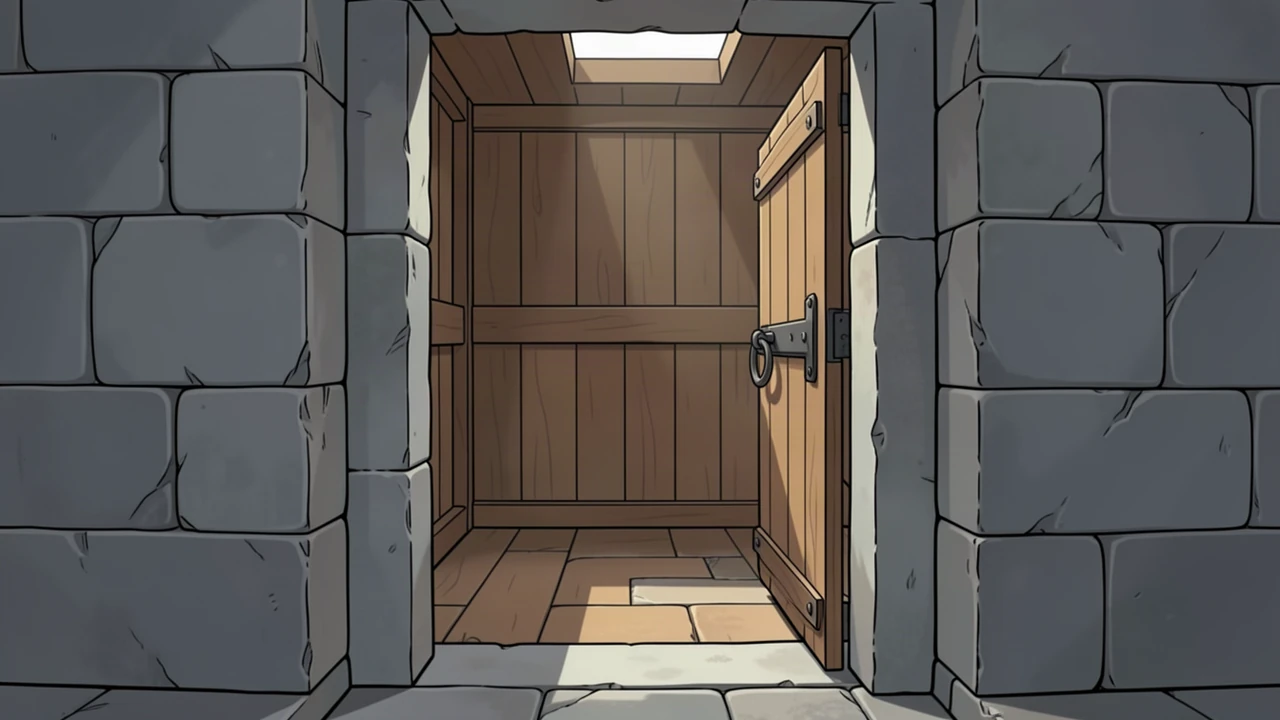
View full illustration (opens in a new tab)
The attackers had killed one brother but failed to remove both leaders. People rallied to the Medici. The defeat brought violent retaliation, and its effects spread into a wider war.[2]
A medal from the same year
The Metropolitan Museum of Art holds a medal made by Bertoldo di Giovanni in 1478. Its two sides remember Giuliano’s death and Lorenzo’s survival.[1] It shows how people wanted the event to be remembered.
The figures wear clothing inspired by the ancient world. That makes the story look heroic; it is not a guide to what people wore in the cathedral that day.[1]
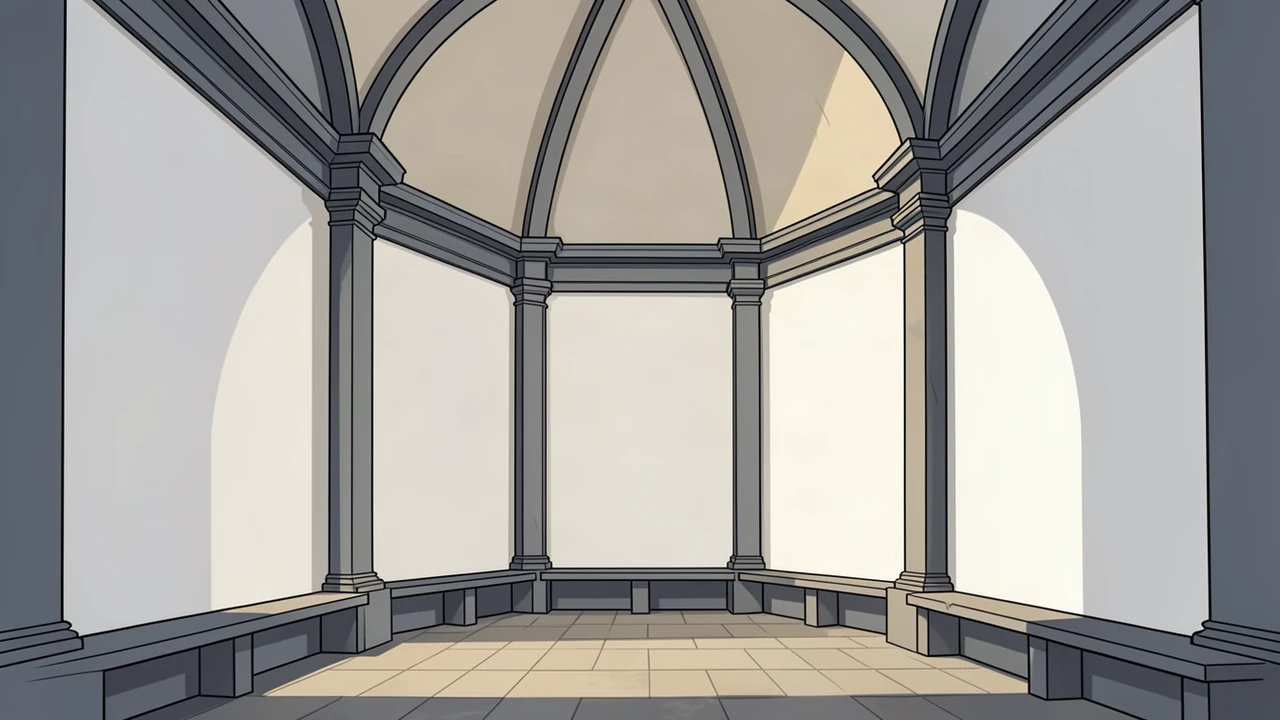
View full illustration (opens in a new tab)
A painting made much later
The Uffizi’s painting by Odoardo Borrani dates from 1864.[3] It pictures the aftermath centuries later. Borrani was not an eyewitness to 1478.
A contemporary medal and a later painting can both be interesting. Their dates tell us which questions they can answer. Ask who made each object, when, and what they wanted us to notice.
For another mystery built around surviving evidence, read the Monteagle letter.
Sources
Related stories

History Behind the Story
The Monteagle Letter: The Warning That Helped Expose the Gunpowder Plot
Read what the Monteagle letter said in 1605: its warning, instructions and omissions, its delivery to Robert Cecil, and its place in the discovery.
Read the story →